How A Sub Panel Is Wired Installing and Understanding Sub Panels: A Walkthrough
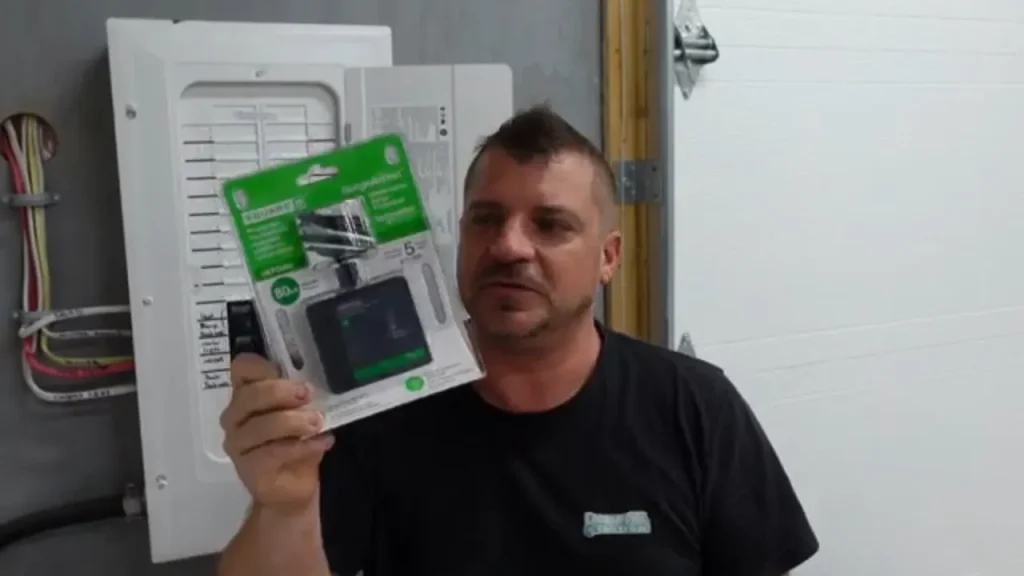
Hey everyone, welcome back to the channel! Today we’re diving into sub panels—specifically the one behind me in the video. If you’ve ever wondered when and why you might need a sub panel, or how it ties into your main electrical system, this post will walk you through the essentials.
Why Install a Sub Panel?
There are times when a sub panel becomes necessary—maybe your main panel has run out of space, or you need to feed power to another part of the house, a suite, or an apartment. The key thing to understand is that a sub panel always receives a fraction of the power available at the main panel. In our case, we’re feeding a 100-amp sub panel from a 200-amp main panel.
Inside the Main Panel
The main 200-amp panel brings power in from the street. Alongside all the branch circuits, you’ll notice one large black cable: that’s our 100-amp feeder cable heading to the sub panel. At the bottom of the main panel, you can see the neutral and the two hot conductors for the sub feed.
One important detail here is the bonding bushing. The metal tech cable entering the main panel must be bonded so the metal casing of the panel is properly grounded. The main panel keeps its bonding screw because it’s the first point of connection. This ensures the equipment grounding path is intact.
Arriving at the Sub Panel
At the other end, the feeder cable enters the sub panel, which in this case is recessed into a wall due to fire-separation requirements for a small suite or Airbnb. Since the bonding is already done at the main panel, the sub panel does not get a bonding bushing. Instead, the ground is tied directly to the casing of the sub panel, and the bonding screw is removed here to keep neutrals and grounds isolated.
Inside the sub panel:
- The neutral (identified with white tape) goes to the neutral bar.
- The red and black conductors land on the main 100-amp breaker, feeding all the sub panel’s branch circuits.
- Neutrals and grounds remain separated, as required.
We haven’t tied in all the branch circuits yet because the drywallers still need to work around the panel. Leaving the cover off avoids a messy drywall job. Once that’s done, we’ll return to finish the tie-ins.
A Quick UK Comparison
Luke chimed in with how sub panels work in the UK. Over there, garage sub panels might only have one or two breakers—much smaller than our 24-circuit sub panel. Larger setups tend to appear in industrial environments, where a bigger main panel will feed several smaller panels.
Wrapping Things Up
Luke is finishing up the wiring on the sub panel and the remaining branch circuits. After that, we’ll button everything up and prepare for inspection. For now, we’re just getting temporary power for the construction team so the drywallers can work and crack-fill. Once the space is ready, we’ll return to test and measure all circuits.
That’s the basic rundown of how the main panel feeds a sub panel. We didn’t go deep into branch circuits today; this was more about understanding the main-to-sub connection.
Thanks for reading! Don’t forget to like and subscribe, and we’ll see you next time.