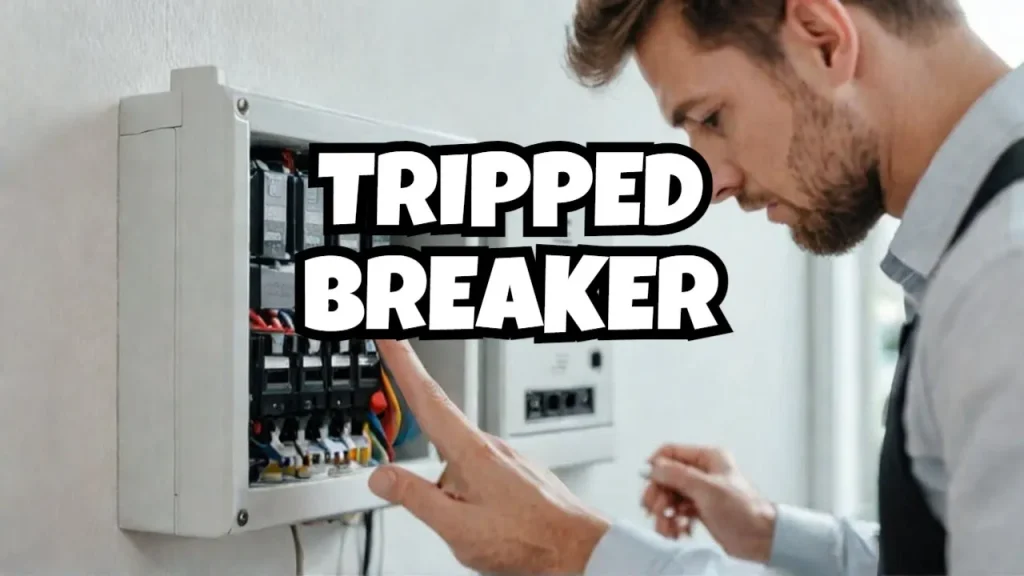
Understanding Correct Circuit Breaker And Wire Size
Welcome back to the channel! Today, we’re diving into an important topic for any homeowner or aspiring DIY electrician: circuit breakers and wire sizes. Whether you’re dealing with new panels or older fuse boxes, knowing how to match the right wire size to the correct breaker is essential for both safety and efficiency.
Panels and Breaker Basics
Behind me, you’ll see a couple of electrical panels. Inside are multiple circuit breakers and a variety of wire sizes. It’s absolutely critical that these match correctly. In this case, the panels we’re working with contain color-coded breakers—which is great for visual learning.
These particular breakers are manufactured by Stab-Lok (also known under Federal Pioneer, Federal Pacific, and others). Although they’ve been discontinued, they’re still in use in many homes. The color coding makes identification easy:
- Red breakers = 20 amps
- Blue breakers = 15 amps
- Green breakers = 30 amps
If you look closely, you’ll see the corresponding amp ratings right on the breakers themselves.
Matching Breaker Size to Wire Gauge
Let’s get into how breaker sizes correlate with wire gauge:
- 15 amp breaker → 14-gauge wire
- 20 amp breaker → 12-gauge wire
- 30 amp breaker → 10-gauge wire
- 60 amp breaker → 6-gauge wire
As the amperage increases, the wire gauge number goes down—meaning the wire gets thicker. This may be counterintuitive at first, but it’s an industry standard that ensures safe electrical flow without overheating.
While code may vary by region or get updated over time, this basic rule of thumb has remained consistent for years. In rare instances, electricians may be allowed to use slightly different sizes, but generally, the standard must be followed to avoid overloading the wires.
Inside the Panel
Once we open up the panel covers, you can see the wiring more clearly:
- 14-gauge wire connects to the 15 amp breakers
- 12-gauge wire connects to the 20 amp breakers
- 10-gauge wire connects to the 30 amp breakers
- Larger breakers, like 50 or 60 amps, connect to 6-gauge wire
It’s important that these wire sizes align with the breaker ratings. Using a wire that’s too small for the breaker amperage can lead to dangerous overheating.
The Dangers of Mismatched Fuses in Older Panels
Here’s where things get tricky—and historically dangerous.
Back when fuse panels were common, a frequent problem occurred: if a fuse blew, homeowners would often replace it with whatever fuse they had lying around. That often meant installing a 30 amp fuse into a 15 amp socket, especially if power was urgently needed.
This is incredibly risky because the wire behind the wall might only be rated for 15 amps. If you push 30 amps through it, that wire can overheat, connections can loosen, and in the worst case—you can cause a fire.
To prevent this, manufacturers designed fuse reducers—mechanical inserts that only allowed the correct size fuse to be installed. Unfortunately, these could be removed, and many people did exactly that.
Why Breaker Panels Are Safer
This is one reason fuse panels have been phased out in favor of breaker panels. With breaker panels:
- You can’t easily swap breakers without removing the panel cover
- It’s much harder for the average person to override the system
- Breakers are more reliable and easier to reset
Breaker panels help prevent dangerous DIY “solutions” by requiring proper tools and knowledge to make changes—ensuring safer conditions for everyone.
Final Advice: Don’t DIY Electrical Work
Unless you’re a licensed electrician—or at the very least extremely confident and experienced—don’t open up your electrical panel. You risk serious injury or causing a fire. Always consult a licensed professional for anything beyond plugging in appliances or flipping a breaker.
If you’re looking to upgrade your electrical panel, we recommend a few trusted brands:
- Square D
- Eaton (Cutler-Hammer)
- Murray / ITE / Siemens
We’ll include links in the description below so you can talk to your electrician about the best option for your home.
Wrap-Up
To summarize:
- Match the wire gauge to the breaker size
- Don’t override fuse protection with larger fuses
- Consider upgrading from fuse panels to breaker panels for safety
- Always call a licensed electrician for any serious electrical work
If you found this video helpful, don’t forget to smash that like button, subscribe, and we’ll catch you on the next one!